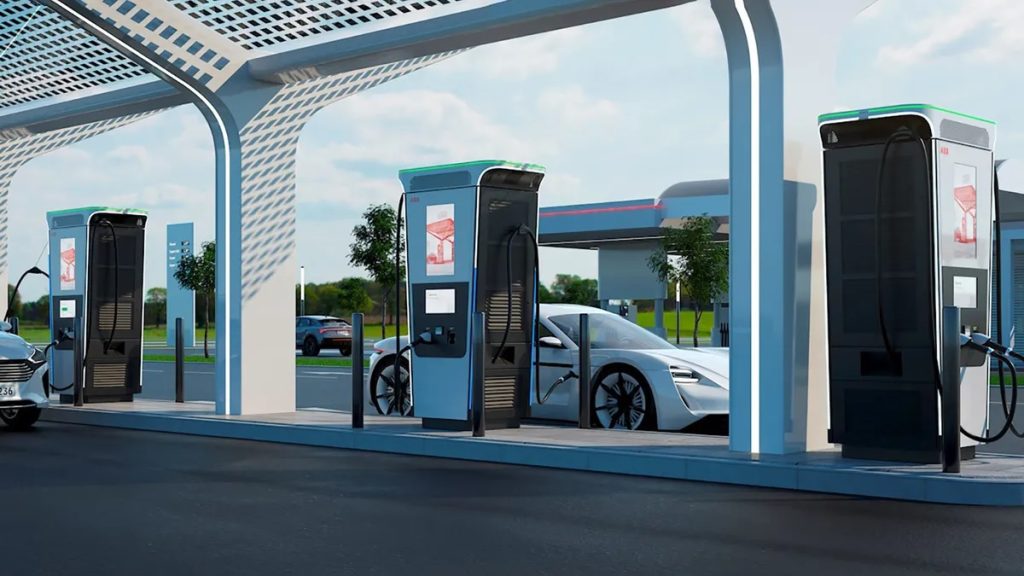
The rise of electric vehicles (EVs) has brought new opportunities for fleet operators to enhance efficiency and reduce operational costs. Commercial EV charging stations are designed to serve multiple vehicles at once, providing faster, safer, and more reliable charging solutions for business fleets. By integrating these stations into daily operations, companies can maintain high vehicle availability, reduce downtime, and optimize energy use. Beyond fueling EVs, these charging stations help streamline fleet management, improve scheduling, and support sustainability goals, making them a key asset for modern fleet operations.
Enhancing Fleet Performance
Implementing a commercial EV charging station directly impacts fleet performance in several ways:
- Reduced Downtime: Quick and efficient charging ensures vehicles spend more time on the road rather than waiting for power.
- Predictable Scheduling: Fleet managers can plan routes and operations with confidence, knowing charging needs are reliably met.
- Energy Efficiency: Advanced charging systems monitor energy usage, helping fleets reduce electricity costs and prevent energy wastage.
- Maintenance Benefits: Electric vehicles powered consistently by high-quality stations experience smoother performance and lower wear on components.
By centralizing charging infrastructure, fleets no longer need to depend on sporadic public chargers. This improves reliability, reduces operational stress, and allows businesses to maintain optimal service levels. Evaluating how much does a commercial ev charging station cost ensures the installation aligns with business sustainability goals.
Scalability and Flexibility
Commercial EV charging stations are built to scale alongside fleet growth:
- Expandable Systems: Stations can accommodate additional vehicles as the fleet expands.
- Flexible Installation: Options are available for indoor, outdoor, or mixed environments to match operational needs.
- Customizable Charging: Power output can be adjusted to fit different vehicle types and battery sizes, ensuring efficient charging for each vehicle.
This flexibility ensures that as fleets evolve, charging infrastructure remains a supportive asset rather than a limitation.
Sustainability and Cost Savings
Electric fleet operations supported by commercial charging stations contribute to environmental and financial goals:
- Reduced Emissions: Electric vehicles charged with optimized stations emit less greenhouse gas compared to traditional vehicles.
- Lower Energy Costs: Managed charging schedules can take advantage of off-peak energy rates, reducing overall electricity expenditure.
- Regulatory Compliance: Using dedicated EV infrastructure can help fleets meet evolving sustainability and energy efficiency regulations.
Operational Advantages
Beyond cost and sustainability, commercial EV charging stations enhance overall operational efficiency:
- Data-Driven Management: Integrated monitoring systems track usage, battery health, and energy consumption, providing actionable insights.
- Fewer Interruptions: Reliable charging reduces unexpected delays, ensuring fleet operations remain smooth and consistent.
- Enhanced Safety: Stations are designed with safety protocols that protect both vehicles and personnel during charging.
Conclusion
Commercial EV charging stations offer more than just a place to power vehicles. They serve as a strategic tool to boost fleet efficiency, reduce operational costs, and support sustainability initiatives. Understanding ev charging station franchise cost is crucial for planning expansion across multiple locations. By delivering reliable, scalable, and flexible charging solutions, these stations ensure that electric fleets maintain high performance levels, minimize downtime, and operate efficiently. For businesses looking to maximize the benefits of electric vehicles, integrating a commercial charging station is a decisive step toward achieving stronger, smarter, and more sustainable fleet operations.