Valves play an important role in maintaining controlled fluid movement, supporting equipment efficiency, and ensuring consistent industrial operations. Like other mechanical components, they benefit from regular attention to preserve their functionality and operating accuracy. Understanding common performance concerns through https://www.vincervalve.com/solenoid-valve-failure-symptoms/ can help maintenance teams recognize early changes and adopt practical solutions. A proactive maintenance approach encourages dependable operation, improves equipment longevity, and supports smooth processes across different industrial applications.
Understanding Common Valve Performance Challenges
Recognizing operational changes helps maintenance teams take timely action and maintain consistent equipment functionality. Several factors can influence valve performance, making routine observation an important practice.
Common challenges include:
- Fluid Leakage: Worn seals or loose connections may affect proper fluid containment.
- Pressure Variations: Changing pressure conditions can influence accurate flow regulation.
- Blocked Passages: Accumulated particles may restrict smooth fluid movement.
- Electrical Irregularities: Inconsistent electrical connections can affect solenoid activation.
- Slow Valve Response: Internal friction or deposits may influence opening and closing movements.
- Seal Deterioration: Regular operating cycles can gradually affect sealing effectiveness.
- Unusual Vibrations: Changes in operating conditions may create additional mechanical movement.
Understanding these conditions makes it easier to establish suitable inspection routines and maintain reliable operating standards.
Adopting Preventive Maintenance Practices
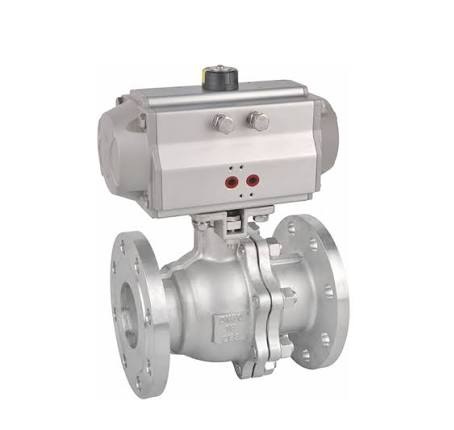
Preventive maintenance encourages consistent performance by addressing component requirements before they influence overall operations. A structured approach also helps improve inspection accuracy and equipment readiness.
Useful maintenance practices include:
- Inspect valve bodies regularly for visible damage or surface changes.
- Check connections to maintain secure installation.
- Clean internal passages to support uninterrupted fluid movement.
- Examine seals and gaskets for proper condition.
- Verify electrical connections for dependable activation.
- Monitor operating pressure to maintain suitable working conditions.
- Lubricate compatible moving components according to maintenance guidelines.
- Replace worn parts with suitable compatible components.
These simple practices support smoother operation while helping maintain the expected functionality of industrial equipment.
Improving Reliability Through Proper Component Selection
Choosing suitable valve configurations is another important step toward long-term performance. Different applications require specific operating characteristics, making careful evaluation valuable.
Consider the following factors:
- Material Compatibility: Select materials appropriate for the operating fluid.
- Pressure Requirements: Match valve specifications with system pressure conditions.
- Temperature Range: Consider the expected operating temperature.
- Flow Capacity: Choose suitable configurations for required fluid movement.
- Electrical Specifications: Ensure compatibility with the available power supply.
- Installation Requirements: Follow appropriate mounting and connection guidelines.
Careful selection supports dependable operation and helps create efficient fluid control arrangements.
Encouraging Consistent Performance Through Monitoring
Regular performance monitoring provides useful information about equipment conditions and maintenance requirements. Recording inspection findings, observing operating cycles, and reviewing component conditions can help maintenance teams make informed decisions.
A positive maintenance strategy also encourages several long-term benefits:
- Improved operational consistency.
- Better equipment availability.
- More predictable maintenance schedules.
- Extended component service life.
- Efficient fluid management.
- Greater confidence in automated processes.
Combining suitable component selection, routine inspections, and timely servicing creates a strong foundation for dependable industrial operations. Consistent attention to maintenance requirements helps valves deliver reliable functionality while supporting productivity and equipment efficiency. Exploring additional technical information through https://www.vincervalve.com/de/ can also encourage informed decisions and practical approaches to maintaining effective valve performance.